
Car emergency kit: what to keep in the boot all year
Kit basicsby Rebecca· 6 September 2026 · 8 min read
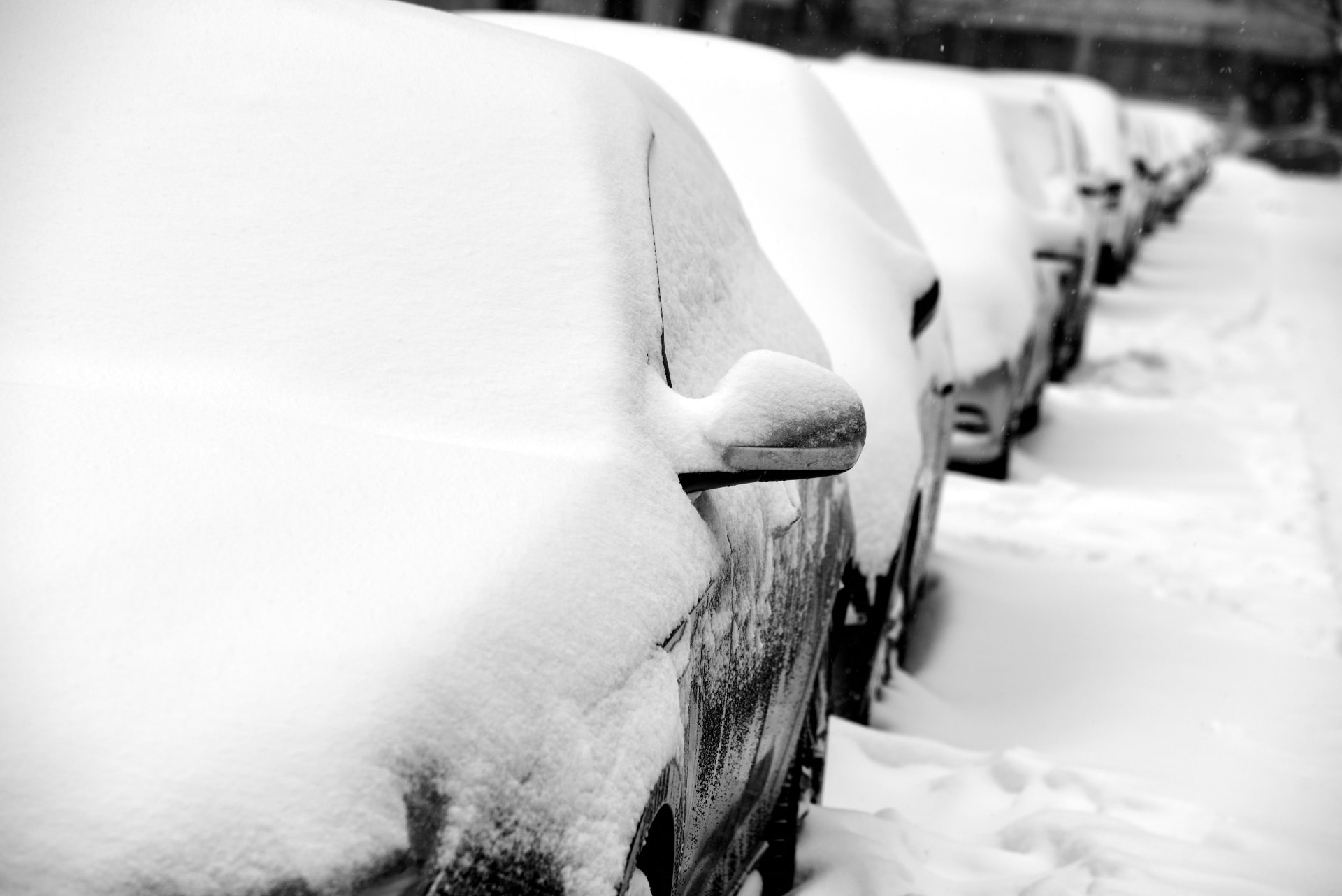
Most family car emergencies are not dramatic. They are boring, cold and long.
A closed motorway and two hours of stationary traffic. A flat battery in a supermarket car park in January. A breakdown on an A road at four in the afternoon in the dark, with two children in the back who need a wee and have eaten all the snacks.
A car kit is for those. It fits in a small box in the boot and it costs very little.
Why the car needs its own kit
The official Prepare guidance suggests keeping some supplies in the boot as well as at home, and the reason is simple. The kit in your hall cupboard is no help at all when you’re on the A21.
Three situations to plan for:
- A breakdown. You may be waiting an hour or more for recovery, at the side of a road, in whatever weather is happening.
- Stationary traffic. An incident closes the carriageway and nothing moves. No shops, no toilets, no way to turn around.
- Being stuck. Snow, flooding or a fallen tree between you and home.
None of these are disasters. All of them are considerably better with a blanket and a bottle of water.
The all-year list
Keep it in one box or bag so it doesn’t roll around the boot.
- Hi-vis vests, one for each regular passenger, kept in the door pocket rather than the boot. You want to put it on before you get out, not after.
- A torch, wind-up or with fresh batteries. A head torch is better if you might need your hands.
- A phone power bank, charged, plus the right cable. This is the single most useful item in the box.
- A warning triangle for ordinary roads. See the breakdown section below for when not to use it.
- A first aid kit.
- Water, a couple of bottles, rotated a few times a year.
- Long-life snacks that survive heat and cold. Cereal bars, nuts, dried fruit.
- A blanket, or a foil blanket at minimum.
- Wet wipes, tissues and a roll of bin bags. The bin bags are for wet clothes, sick, mud and improvised toilet arrangements. You will be grateful for them.
- A small tool for cutting a seatbelt and breaking a window, kept where the driver can reach it.
- Jump leads or a jump starter pack.
- Cash in small notes, for car parks and machines that don’t take cards.
- A paper note of your breakdown provider, policy number, insurer and two emergency contacts.
The bits most people don’t already own:
Affiliate links — we may earn a small commission, at no extra cost to you.
What to add in winter
From roughly November to March, put these in as well:
- An ice scraper and de-icer, and actually keep them in the car rather than the porch.
- Warm layers, a spare hat and gloves for each person, and old coats you don’t mind living in the boot.
- Sturdy footwear. Being stuck in snow in the shoes you wore to the office is genuinely miserable.
- A shovel, a folding one takes up very little room.
- A grippy mat, old carpet or cat litter for traction under a spinning wheel.
- A flask if you’re heading somewhere remote.
What we'd put in the trolley:
Affiliate links — we may earn a small commission, at no extra cost to you.
The bit about children
If you regularly have children in the car, add:
- Snacks they will actually eat, replaced before they go stale
- A spare set of clothes for anyone still having accidents
- Nappies and wipes if that’s your stage
- Something to do that isn’t a screen. Colouring, a book, a pack of cards
- A blanket each rather than one big one
- A potty or a wide-necked bottle. Not glamorous. Enormously useful in two hours of stationary traffic
If you break down
On an ordinary road: get the car off the carriageway if you can, hazards on, sidelights on if it’s dark. Put a warning triangle at least 45 metres behind the car on the same side of the road, taking great care as you place and retrieve it. Wear something light or fluorescent in daylight, reflective at night. Never stand between your car and oncoming traffic.
On a motorway, the rules are different
This is the part people get wrong. If you notice a problem, leave at the next exit or pull into a service area if you possibly can. If you can’t, use an emergency area on a smart motorway. These sit roughly every three quarters of a mile to a mile and a half and are marked with blue signs and an orange SOS phone symbol. The hard shoulder is a last resort, because it sits right beside high-speed traffic.
Then:
- Stop as far left as possible, wheels turned to the left
- Get everyone out through the left-hand doors and behind the barrier, well away from the carriageway
- Never place a warning triangle on a motorway. The Highway Code is explicit about this. Walking 45 metres along a motorway verge is more dangerous than any warning the triangle provides
- Leave animals in the car. The Highway Code requires it, unless there’s an emergency, in which case keep them under proper control on the verge
- Don’t attempt even simple repairs
- Keep children close and away from the carriageway
- Call for help, and tell the operator if you’re travelling alone or are a vulnerable driver
What’s actually required by law
In the UK you are not legally required to carry a hi-vis vest, a warning triangle or a first aid kit in your car. Every one of them is a good idea, but nobody is going to fine you.
That changes the moment you drive abroad. Several European countries do require specific items to be carried, and the list differs by country. Check the rules for wherever you’re going before you travel.
What you can skip
You do not need a full toolkit unless you know how to use one. You do not need a fire extinguisher unless you particularly want one. You do not need survival rations.
The honest test for any item: would it help during two cold hours at the side of a road? If not, leave it out. The box should be small enough that you never resent it taking up boot space, because a kit you’ve taken out to fit the shopping in is not a kit.
Check it twice a year
Same rhythm as everything else. When the clocks change:
- Swap the water and snacks
- Charge the power bank
- Check the torch batteries
- Put the winter layer in, or take it out
- Make sure the children’s spare clothes still fit
Build the rest of your kit
The car kit is one part of it. Our kit builder puts together the home list and the grab bag alongside it, sized to your household.
Sized to your household, in about a minute.
Build your family’s kit list →