What is El Niño, and what could it mean for the UK this winter?
Storms & weatherby Rebecca· 6 September 2026 · 7 min read
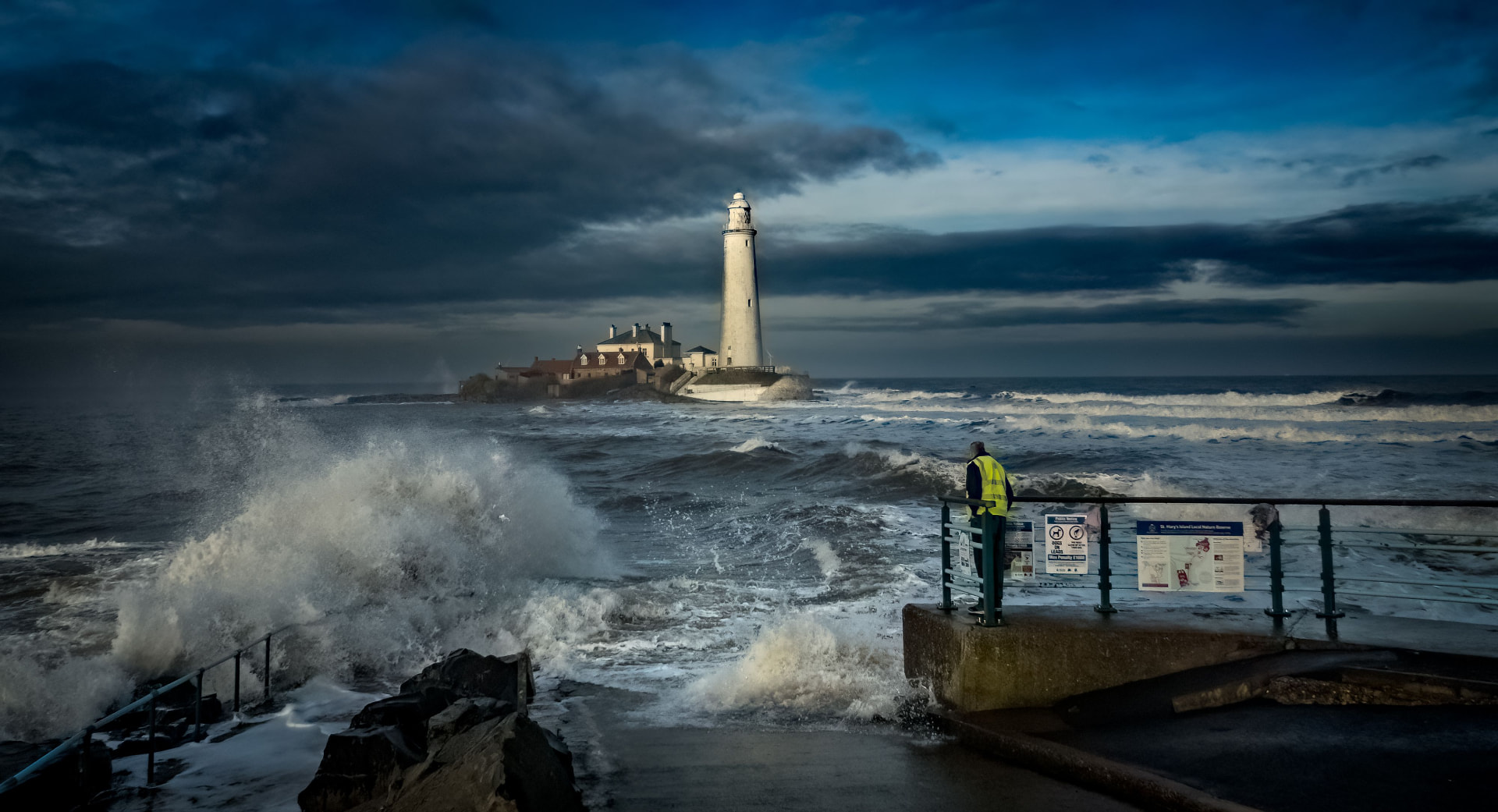
You will have seen El Niño in the headlines over the past few weeks, usually attached to a photograph of a flooded street and a headline containing the word “chaos”.
The reality is more interesting and considerably less frightening. Here is what it is, what the Met Office actually says about Britain, and the ten minutes of preparation that covers it.
What El Niño actually is
It’s a warming of the surface of the Pacific Ocean, along the equator, off the coast of South America.
That sounds impossibly far away to matter in Sussex, and in one sense it is. But the Pacific is enormous, and when that much warm water sits in one place it changes where the heat rises into the atmosphere. That shifts the position and strength of the jet streams, which are the fast ribbons of high-altitude wind that steer weather systems around the planet.
The jet stream is what delivers our weather. Nudge it, and Britain gets a different winter.
El Niño isn’t new, isn’t unnatural, and isn’t caused by anything we’ve done. It has happened on an irregular cycle of roughly every two to seven years for as long as we’ve been measuring, and probably for a very long time before that. The opposite phase, when that patch of Pacific runs cold, is called La Niña.
What’s happening right now
This one is unusually big.
The Met Office described the event developing through 2026 as unprecedented, and likely the largest since the nineteenth century. Professor Adam Scaife, who heads their long-range forecasting, said “I have never seen an El Niño signal this intense in our forecasts.”
For scale, a typical El Niño warms that part of the Pacific by one to two degrees, and two degrees is considered a big event. This one is forecast to go well beyond that and peak around the end of the year.
Forecasting centres around the world are unusually aligned on it, which is itself notable. Models disagreeing is normal. Models all pointing the same way is worth paying attention to.
What it means for the UK
Here is the honest version, which is less dramatic than the headlines.
Autumn and early winter: wetter and stormier. The Met Office expects El Niño to increase the chances of wetter, stormier conditions across north-west Europe, Britain included. The north-west of the UK is expected to be more affected than the south-east.
The mechanism is the jet stream. A strong El Niño tends to energise the Atlantic jet in the first half of winter, and a fast jet aimed at the British Isles means low-pressure systems queuing up across the ocean. In practice that looks like named storms, saturated ground and a lot of grey, mild, soaking weeks.
Late winter is a different story. Research suggests El Niño’s influence on northern Europe turns colder later in the season, particularly around February, when it’s associated with higher pressure to the north and the door left open to cold easterly winds.
So the two halves of the winter may not resemble each other at all. Wet and windy first, with a colder, blocked spell more plausible later.
What it does not mean
This is the part the headlines skip, so we’ll be clear about it.
- It is not a forecast. El Niño shifts probabilities across a whole season. It does not tell you what any particular week will do, and it certainly doesn’t tell you about Christmas. Nobody knows whether it will snow at Christmas. Anyone publishing that in September is guessing, and usually selling something.
- It is not a disaster. Britain gets wet, windy winters routinely. The last few strong El Niño winters passed without anything resembling catastrophe. This is a nudge in the odds, not a countdown.
- North-west and south-east are different countries here. A signal that means a lot in Cumbria may mean very little in Kent. Local matters more than national.
So what should a family actually do?
The useful thing about this forecast is that it points at specific, ordinary problems rather than vague dread.
More Atlantic storms means more of the following:
- Power cuts. Wind brings down lines and branches. This is the single most likely disruption a UK household faces, and it is the easiest to prepare for.
- Saturated ground. Weeks of rain means the soil holds no more water. That’s when ordinary rainfall starts causing surface flooding, and when trees come down in wind that wouldn’t normally trouble them.
- Flooding. If you’re in a flood-risk area, this is the autumn to sign up for Environment Agency flood warnings if you haven’t already. It’s free and it gives you hours of notice.
- Travel disruption. Closed roads, cancelled trains, and the school run taking twice as long.
None of that requires a bunker. It requires a torch that works, some water in the cupboard, and a phone that’s charged.
The ten-minute version
If you do nothing else before the storm season:
- Find your torches and test them. Buy a wind-up one if you don’t have a working torch per person.
- Charge a power bank and put it somewhere you’ll remember.
- Sign up for flood warnings if you’re anywhere near a river or the coast.
- Write down 105, the number to report a power cut in England, Scotland and Wales, along with a few other key numbers, on paper.
- Put a few days of food you don’t have to cook in the cupboard, along with a manual tin opener.
- Keep your car above a quarter of a tank through the winter.
That’s it. That’s the whole response to a record-breaking Pacific weather event, and it takes one trip round the house and one online shop.
The storm-season basics, if you’re missing any of them:
Affiliate links — we may earn a small commission, at no extra cost to you.
Where to read more
We’ve written the detail elsewhere:
- The 72-hour kit, explained for families who aren’t preppers
- How much water to store for an emergency
- Are candles safe in a power cut?
- Car emergency kit: what to keep in the boot
Build your list
Our kit builder sizes a storm-season kit to your household in about two minutes, including pets, babies and dietary needs.
Sized to your household, in about two minutes.
Build your family’s kit list →