Emergency grab bag: what to pack and when you'd actually use one
Grab bagsby Rebecca· 6 September 2026 · 7 min read
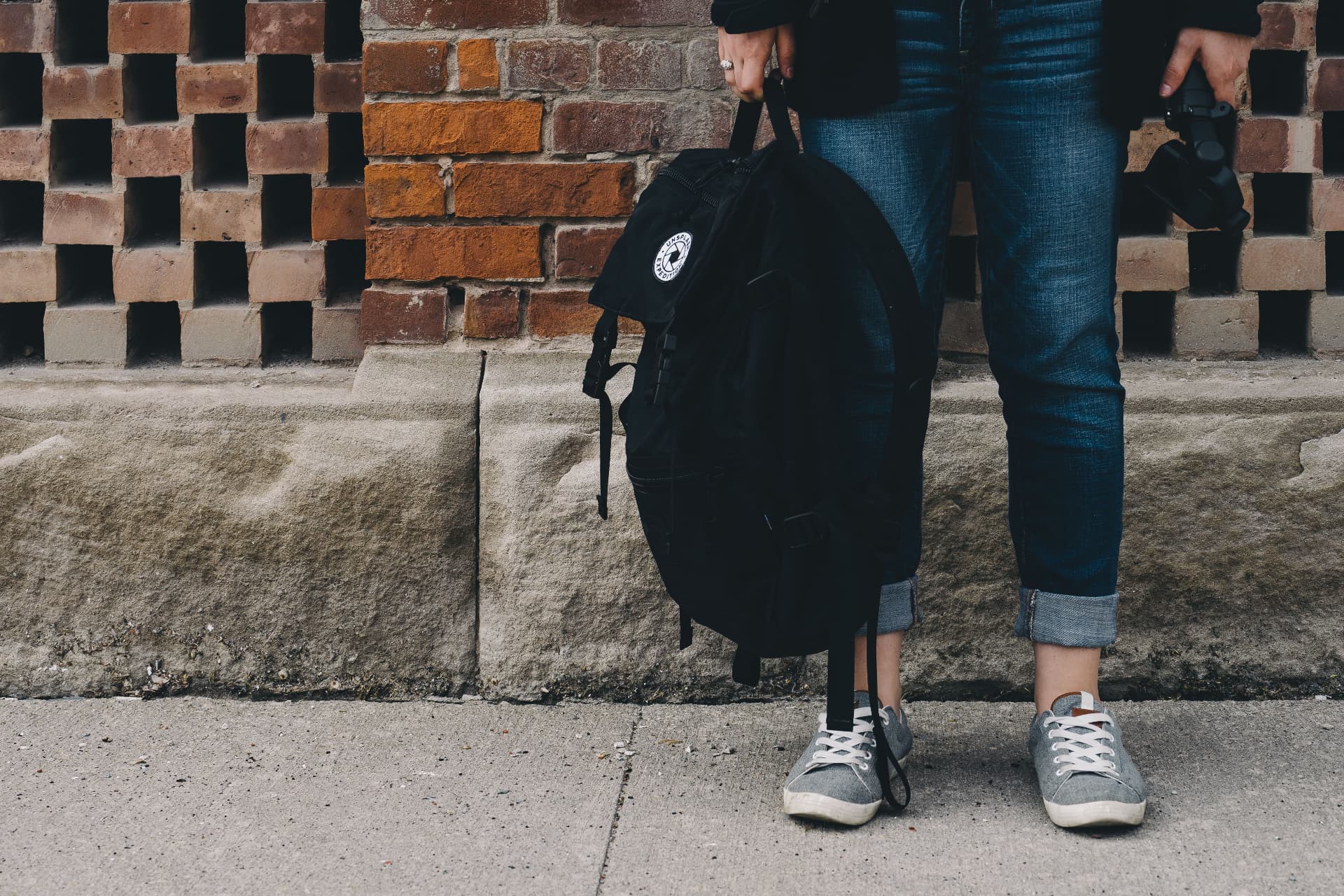
A grab bag is a small rucksack, kept somewhere you can reach in seconds, holding the things you would want if you had to leave your house quickly and might not be back that night.
That is the whole idea. It takes an afternoon to put together and most families will never open it. We think it is still worth doing, and we will be honest with you about why.
Grab bag or home kit? They do different jobs
Most emergency advice blurs these together, which is why people end up with one enormous box that does neither job well.
A home kit is for staying put. Power cut, water off, snowed in, storm outside. It is bigger, it lives in a cupboard, and it holds water, tinned food, torches and a radio.
A grab bag is for leaving. It is small, it lives by the door, and it holds documents, medication and the things you cannot replace at a shop.
If you only build one, build the home kit. Staying put is far more likely. But the grab bag is the cheaper and quicker of the two, and it is the one that matters on the rare occasion you need it.
When you would actually use one
Three realistic UK situations.
A flood. The most common reason a British family is asked to leave home. Flood warnings usually give you some notice, which is exactly when a bag already packed saves you from making decisions in a hurry.
A gas leak or a nearby incident. Police or the fire service knock on the door and ask everyone on the street to leave for a few hours. It happens more often than people realise and it is usually resolved by the evening.
A house fire, afterwards. Not during. This matters, so we will say it plainly below.
You may also just need somewhere to sleep for a night. A rest centre, a hotel, a relative's spare room. A bag with toothbrushes, chargers and a change of clothes turns a horrible evening into a manageable one.
The important bit about fires
A grab bag is something you take if it is already on your way out of the door. Where the bag helps after a fire is the hours that follow, when you are standing outside with no shoes, no phone charger, no insurance details and nowhere obvious to go.
What to pack
Keep it to a rucksack somebody can carry while also holding a child's hand.
Paperwork
- Copies of insurance documents, passports or ID, birth certificates and tenancy or mortgage details, in a waterproof pouch
- A written list of important phone numbers: family, GP surgery, school, insurer, your water and electricity suppliers
- Photograph the lot and keep a copy in your email or cloud storage as a backup
Health
- A week of any regular prescription medication where that's possible
- A written list of what everyone takes and the dose, and your GP's details
- Spare glasses
- A small first aid kit
Practical
- Phone charger and a charged power bank
- Some cash in small notes, because card machines need power
- Spare house and car keys
- A torch, ideally wind-up
- A notepad and pen
Personal
- A change of clothes for each person, plus warm layers
- Toothbrushes, toothpaste, wet wipes and hand sanitiser
- A foil blanket or a small fleece blanket
- Water and a few snacks that don't melt or crumble
For the children
- Write-on ID wristbands, one per child
- One comfort item each, chosen by them
- A small pack of cards or a colouring book
- Nappies, wipes and formula if that stage applies
For pets
- Lead, carrier, a day of food and a collapsible bowl
The bag-sized bits we keep in ours:
Affiliate links — we may earn a small commission, at no extra cost to you.
Give the children their own
This is the part we would push hardest.
Let each child pack a small rucksack of their own with a teddy, a snack, a torch and something to do. Let them choose what goes in it.
It costs nothing and it changes the whole feeling of the thing. A child who has packed their own bag is a child who has been included in the plan rather than caught up in a crisis. If you ever do have to leave the house at short notice, that bag is the difference between panic and something they've already thought about.
A word on wristbands
Write-on ID wristbands cost very little and take up no room at all, and they solve a problem parents worry about more than any other: getting separated.
Rest centres are crowded and confusing. Evacuations happen in the dark and the rain. Small children who are perfectly capable of reciting your number at the kitchen table will not manage it in that setting, and toddlers cannot do it at all.
One piece of advice on what to write. Put your mobile number, not your child's name. A name on display lets a stranger appear to already know your child, which is exactly the situation you are trying to avoid. A number is all anyone helpful actually needs.
Write them in advance and keep them in the bag ready to go. Trying to find a working pen while you are leaving the house is not a plan.
Where to keep it
By the way out. The hall cupboard, the bottom of the stairs, next to the coats. Not the loft. Not the garage. Not the spare room behind the ironing board.
Everyone in the house should know where it is and be able to find it in the dark. Test that. Ask someone to fetch it without turning the lights on.
Keep it light and check it twice a year
Pick the bag up. If it is heavy now, in your hallway, on a normal afternoon, it will be far too heavy while you are also carrying a toddler and a car seat.
Twice a year, on the same day you test the smoke alarms, open it and check:
- Clothes still fit the children
- Medication is in date and still the right prescription
- Documents are current
- The power bank is charged
- The snacks haven't gone past their date
Ten minutes, twice a year. That is the entire maintenance commitment.
Build your list
Grab bag contents depend on who is in your household, how old they are and what they need. Our kit builder puts together both lists for you, the home kit and the grab bag, sized to your family.
Grab bag and home kit, sized to your household.
Build your family's kit list →