How much water to store for an emergency: a straight answer for families
Food & waterby Rebecca· 6 September 2026 · 7 min read
The short answer
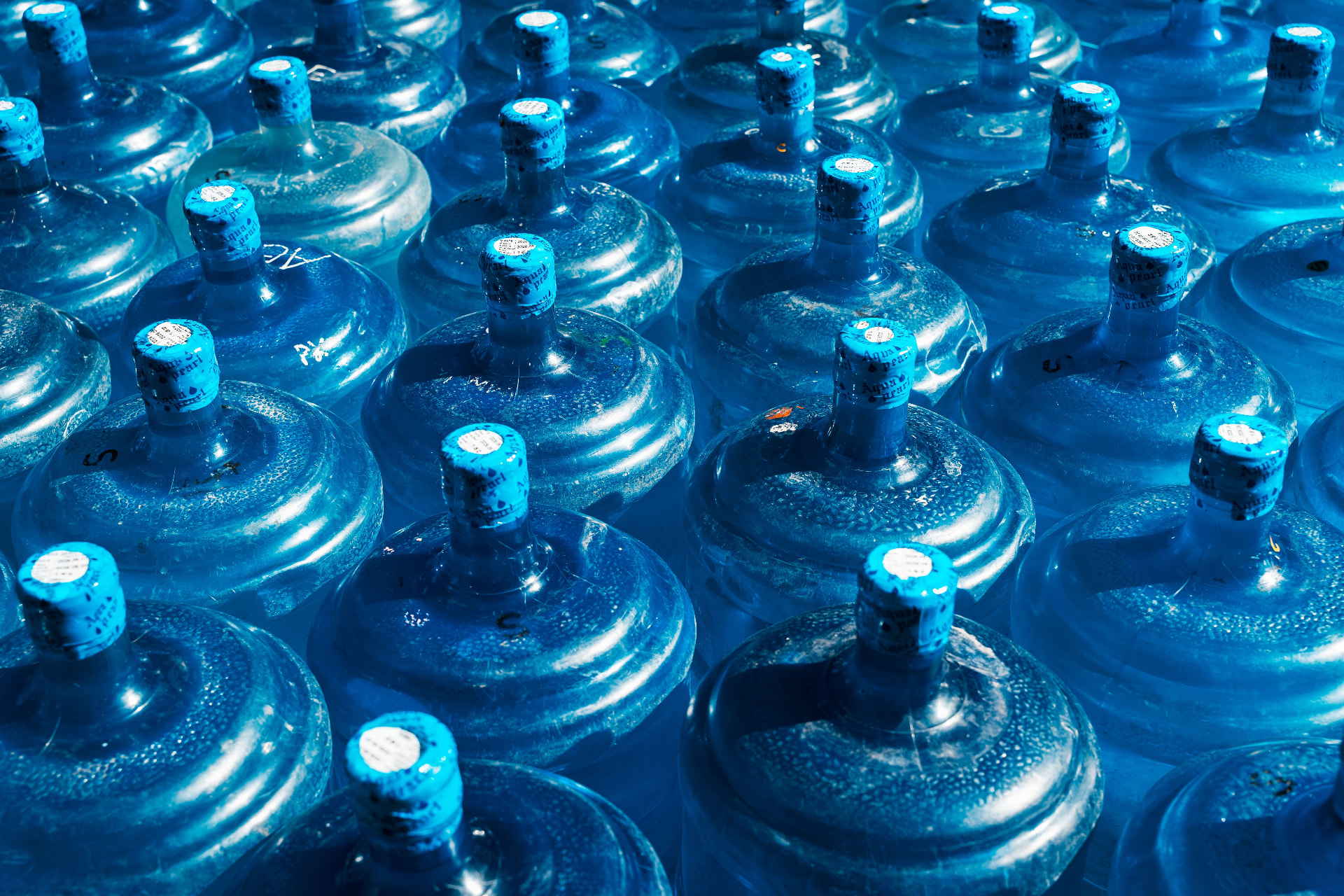
For a family of four planning for three days, store 36 litres of drinking water. That is about eighteen 2-litre bottles, or two large supermarket packs.
If you want to be comfortable rather than just fine, the figure is much higher. Here is how it breaks down, and why nobody official will give you a single number.
Why there is no official figure
The government's Prepare guidance is unusually honest about this. It says there is no standard amount, because emergencies vary in length and people use different amounts of water. What it does give you is two reference points.
- The World Health Organisation minimum for survival is 2.5 to 3 litres of drinking water per person per day. That is the water your body needs, and nothing else.
- Around 10 litres per person per day is what you need to be genuinely comfortable, because it also covers basic cooking and hygiene.
The gap between those two numbers is enormous, and it is where all the confusion comes from. Most guides quote the 3 litres, stop there, and leave you with a kit that keeps you alive and unwashed.
The sums, done for you
Based on three days of drinking water at the 3-litre minimum, versus the comfortable 10 litres:
- 1 person: 9 litres minimum, 30 litres comfortable
- 2 people: 18 litres minimum, 60 litres comfortable
- 3 people: 27 litres minimum, 90 litres comfortable
- 4 people: 36 litres minimum, 120 litres comfortable
- 5 people: 45 litres minimum, 150 litres comfortable
What we actually recommend
Store the drinking minimum properly, and plan to find the rest. For most UK families that means two things.
Buy and store the drinking water. For four people, 36 litres. This is the bit that matters and it fits in a cupboard.
What we keep for drinking water:
Affiliate links — we may earn a small commission, at no extra cost to you.
Plan for the washing water. You do not need to store it — you need to know where it comes from. The moment you get a storm warning or hear that a main has burst nearby, fill the bath, every large pan, the kettle, and any clean bottles you have. A standard bath holds around 80 litres. That is your washing and flushing water, and it costs nothing.
This is the difference between preparation and stockpiling. You store what you cannot improvise, and you have a plan for the rest.
Who needs more
- A baby. Formula needs water, and it needs water you are confident in. Work out how many feeds a day and add generously.
- Pets. A medium dog drinks around a litre a day. Cats less, but they still count.
- Medical needs. Some equipment and some conditions need a reliable water supply. If that is your household, plan up rather than down.
- Hot weather. A summer heatwave with no mains water is a very different day from a February power cut. Everyone drinks more.
- Anyone pregnant or breastfeeding.
What to store it in
Shop-bought bottled water is the easy answer. It is sealed, dated and sized sensibly. Two-litre bottles are easier to pour and share than big 5-litre ones, and easier to carry upstairs.
Refilling your own containers works and costs less, but only with food-grade containers made for the job. Do not reuse milk bottles or juice bottles — the sugars and proteins left behind are almost impossible to clean out properly and they will grow things.
Small containers beat one big one. If a large container is contaminated or split, you have lost everything. Spread the risk. And keep stored water somewhere cool and dark — heat and sunlight degrade the plastic over time, so a car or sunny shed is not ideal.
How long does stored water keep?
Sealed bottled water carries a best-before date, but that date is mostly about the plastic and the taste rather than the water going off. Stored somewhere cool and dark, sealed bottled water stays fine for a long time.
Tap water you have bottled yourself is a different matter. Treat it as good for around six months, then tip it on the garden and refill.
Either way, the habit is what counts. Check and rotate your water twice a year, on the same day you test the smoke alarms. Pick a date you will remember and put it in your phone now.
Do I need purification tablets?
They are cheap, they last for years, and they take up almost no space, so they are a reasonable thing to have. They are not the main plan.
What they are useful for: treating water of uncertain quality so it is safe to drink. If a boil water notice is in place and you have no way to boil anything, tablets are a sensible backup.
What they do not do: remove chemical contamination, and they will not make dirty water clear. They also make water taste of the tablet, which children notice immediately. If a boil water notice is issued and you have gas or a camping stove, boiling is the better answer. Keep the tablets as your third option rather than your first.
What we'd put in the trolley:
Affiliate links — we may earn a small commission, at no extra cost to you.
Where to put it all
Thirty-six litres is heavier and bulkier than people expect. Around 36 kilos, in fact. Realistic places:
- The bottom of a hall or understairs cupboard
- The back of a low kitchen cupboard
- A corner of a utility room
- Under a bed, in a shallow box
Avoid the loft. Water is heavy, and nobody wants to climb a ladder in the dark carrying two litres at a time. Avoid the garage or shed if it means going outside in a storm to get a drink. Keep it with the rest of your kit if you can, so there is one place everyone in the house knows about.
A quick recap
- Store 3 litres per person per day of drinking water. For a family of four across three days, that is 36 litres.
- The comfortable figure of 10 litres per person per day is real, but you do not need to store it. Fill the bath when a warning comes.
- Use proper containers, keep them cool and dark, and rotate twice a year.
- Add extra for babies, pets and medical needs.
Work out your family's number
Household size, ages, pets and dietary needs all change the total. Our kit builder does the calculation for your household and gives you the rest of your list alongside it, so the water figure sits in context rather than on its own.
Get a water total sized to your household.
Build your family's kit list →