Pet emergency kit: what dogs and cats need in a power cut or flood
Family & petsby Rebecca· 6 September 2026 · 7 min read
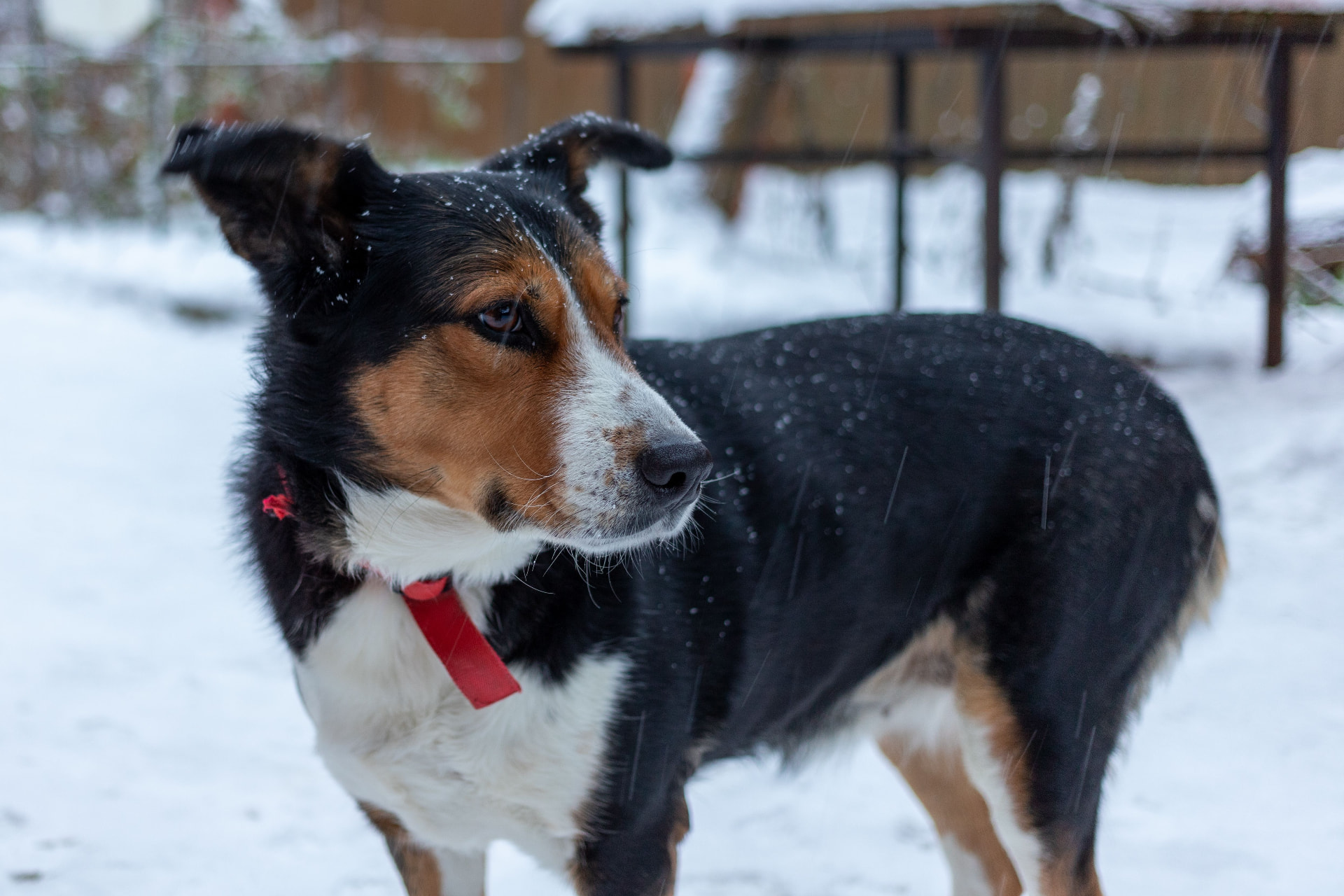
Most household emergency lists mention pets in a single line at the bottom, usually something like “don’t forget pet food”.
Anyone who has actually sat through a long power cut with an anxious spaniel knows it goes rather further than that. Here is the proper version.
Two different situations
Staying put. Power cut, water off, storm outside. Your pets need water, food, warmth and something to do, the same as everyone else in the house.
Leaving. Flood, gas leak, or being asked to go to a rest centre. This is the harder one, because a lot of places that will take you will not take your dog.
Plan for both. They need different things.
Water: add it to your household total
Pets are the most common reason a family’s water sum comes up short.
As a rough guide, a dog needs around 50ml of water per kilogram of body weight per day. So a 20kg labrador drinks roughly a litre a day, more in hot weather or if they’re working. A cat needs around 200 to 300ml a day, though a lot of that comes from wet food.
Across three days that’s about three extra litres for a medium dog. Not much, but it needs to be in the total rather than an afterthought, and it needs to be part of the water you have actually stored.
Bring their bowl in from the garden and keep it filled. In a power cut with no heating, water left outside in winter freezes.
Food: store what they already eat
Resist the urge to buy something cheap and long-life that your pet has never seen before. Sudden diet changes upset stomachs, and a dog with an upset stomach in a house with no hot water is a bad few days for everybody.
Keep a spare bag or a few extra tins of their normal food, rotated through as you use them. Three days minimum, a week if you have the space.
If they eat tinned food, keep a manual tin opener with your kit. The electric one on the worktop is useless without power.
Keep a couple of days of treats too. They are worth their weight during a long, strange evening.
Useful things for this section:
Affiliate links — we may earn a small commission, at no extra cost to you.
Medication and vet details
Write down and keep with your kit:
- Any medication your pet takes, with the dose
- Your vet’s name, address and out-of-hours number
- Your pet’s microchip number
- Insurance policy details
Keep a few days of any regular medication with the kit where that’s practical.
The pets most at risk in a power cut
This is the part almost nobody covers, and it matters far more than the dog food.
Fish, reptiles and amphibians
Fish, reptiles and amphibians depend on electricity to stay alive. Heaters, filters and lamps all stop when the power does. A tropical tank cools slowly, but it does cool, and a long outage in winter is a genuine risk.
If you keep any of these, talk to your vet or supplier now about what to do during an outage. Insulating a tank with blankets buys you hours. A battery air pump is inexpensive and worth having in advance.
Rabbits, guinea pigs and other small pets
Rabbits, guinea pigs and other small pets in unheated outbuildings feel a cold snap much faster than a dog in a warm house does. If the power goes off in a cold spell, plan to bring them somewhere warmer.
What we'd put in the trolley:
Affiliate links — we may earn a small commission, at no extra cost to you.
Toileting when you can’t go outside
A cat that normally uses the garden will not use it in a storm, and may not use it at all if the garden has flooded.
Keep a spare bag of litter and a spare tray. It is cheap, it stores for years, and it prevents a problem you really don’t want on top of everything else.
For dogs, keep spare poo bags with your kit, plus old towels for muddy paws. In a flood, be careful about where they walk and drink. Floodwater is dirty and often contaminated.
What we'd put in the trolley:
Affiliate links — we may earn a small commission, at no extra cost to you.
Identification, and the law
If you and your pet get separated, ID is what gets them back.
Dogs have had to be microchipped in England, Scotland and Wales since April 2016. In Northern Ireland it forms part of the dog licence conditions.
Cats in England have had to be microchipped since 10 June 2024, covering all owned cats over 20 weeks old, including indoor-only cats. The other UK nations have not adopted the same rule.
Separately, under the Control of Dogs Order 1992, a dog in a public place must wear a collar showing the owner’s name and address. A microchip does not replace this. They are two different legal requirements and both apply.
Finally, keep a photo of you with your pet on your phone. If you ever need to prove ownership at a rescue centre or a rest centre, that photo does it instantly.
If you have to leave the house
Get this sorted in advance, because you will not want to be researching it in a hurry.
Rest centres and emergency accommodation do not always accept pets. Some do, some don’t, and it varies by council and by situation. Assistance dogs are a different matter and are generally accommodated.
So write down, now, on the paper list in your grab bag:
- Two friends or relatives outside your immediate area who would take your pets
- Your vet, who may be able to board them in an emergency
- A local boarding kennel or cattery
- One or two pet-friendly hotels or B&Bs within driving distance
Keep the carrier and the lead somewhere you can reach in seconds. A cat carrier in the loft is a cat carrier you do not have.
What we'd put in the trolley:
Affiliate links — we may earn a small commission, at no extra cost to you.
Keeping them calm
Pets read the mood of the house. A dark, cold, unusually quiet home with everyone talking in worried voices is unsettling for them.
Keep to the normal routine as far as you can. Feed at the usual times. Keep them in the room with everyone else rather than shut away. A familiar blanket or bed in an unfamiliar place does a lot of work.
If your pet is already anxious about storms or fireworks, whatever calms them then will calm them now. Keep it with the kit.
The short list
- Three days of their usual food, plus a manual tin opener
- Extra water in your household total, and a bowl indoors
- Medication, vet details and microchip number, written down
- Carrier and lead somewhere you can reach fast
- Spare litter and tray, or poo bags and towels
- A blanket or familiar bed
- A photo of you and your pet on your phone
- Somewhere to go that will take them
Build a kit that includes them
Our kit builder asks about pets, because a household with two dogs needs a genuinely different list from a household without. Put in your family and it will size the whole thing, pets included.
Food, water and bowls sized to your pets as well as your people.
Build your family’s kit list →