Winter storm & snowed-in protocol (free printable checklist)
Emergency binderby Rebecca· 8 October 2026 · 5 min read
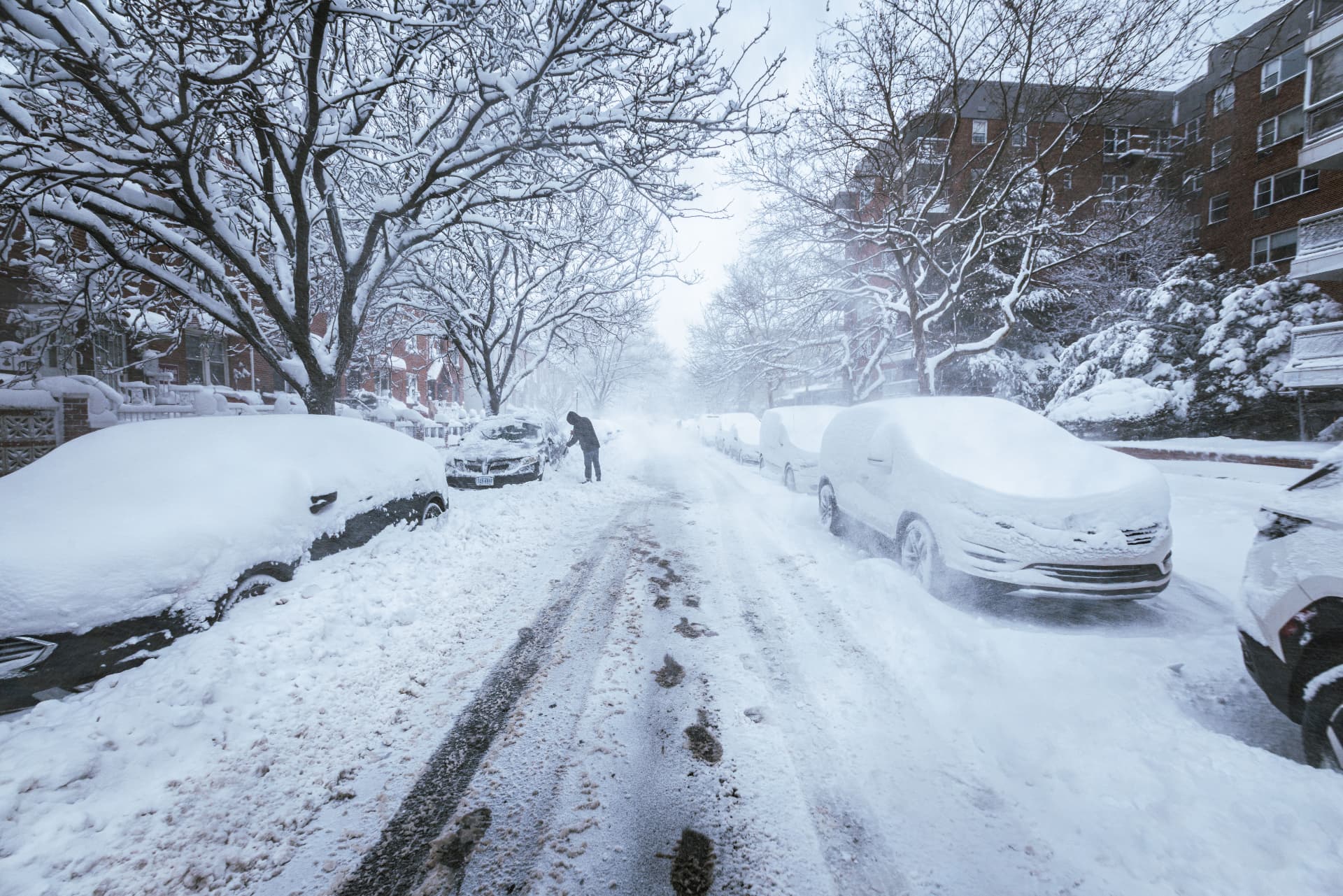
There’s something about a weather warning that makes even the calmest of us feel a little unsettled. I remember the first proper storm after we had children — standing in the kitchen wondering whether I’d actually done anything useful to get ready, or just re-reading the same alarming headlines.
The truth is, being snowed in or dealing with a winter storm rarely calls for drastic action. It calls for a few quiet, sensible steps — most of them the day *before* the weather arrives — and a plan you can read at a glance when you’re cold, flustered, or the broadband has gone down with the power.
This is the same calm, step-by-step approach I use with my own family. At the bottom of the post you’ll find a free printable Winter Storm & Snowed-In Protocol to print and tuck into your emergency folder.
Wondering why our winters seem to be getting stormier? I've written a separate guide on what El Niño could mean for the UK's winter weather.
1. The day before: quiet preparation
If you only do one thing from this post, make it this section. Twenty-four hours before a storm hits, an hour of unhurried preparation buys you days of peace of mind:
- Charge everything to 100%: phones, tablets, power banks and rechargeable lanterns. A fully charged power bank is worth more than anything else in a storm.
- Fill with tap water: a clean kettle, a few jugs and some bottles, in case frozen pipes or a mains failure interrupt your supply.
- Bring the garden in: lightweight furniture, trampolines, bins and flowerpots all become windborne in a gust. Bringing them in protects your windows — and your neighbours’.
- Give the car a thought: park facing out if you can, lift the windscreen wipers, check your screenwash is antifreeze-rated and keep the tank at least half full.
- Bring pets indoors: check you have several days of their food, plus cat litter or puppy pads if going outside becomes unsafe.
Worth having charged and ready:
Affiliate links — we may earn a small commission, at no extra cost to you.
2. Staying warm without mains heating
If the power goes out during a cold snap, your job isn’t to heat the whole house — it’s to keep the people in it warm. You only need one room to do that well:
- Pick one room: choose a central, ground-floor room (if you have the choice) and gather everyone there. Close the doors to unused rooms.
- Trap the warmth: draw the heavy curtains, and tuck draught excluders or rolled towels along the bottom of doors.
- Layer like an onion: a thermal or merino base layer, a fleece or wool middle layer, then a loose outer layer. Thick socks and slippers matter more than you’d think — cold floors drain body heat surprisingly fast.
- Get everyone sleeping warm: spare duvets, blankets and hot water bottles are your friends. Write down exactly where they’re kept on your printable so nobody is rummaging in the dark.
3. Protecting your home and your pipes
Frozen pipes are one of the most common — and most avoidable — bits of storm damage. Two small habits make a real difference:
- Leave the loft hatch open a little: it lets warm air from the house circulate into the roof space, which is where pipes freeze first.
- Open cabinet doors under sinks during a severe freeze: room heat can then reach the plumbing inside the cabinets.
And one thing every adult in the house should know: where your internal water stopcock is, and how to switch it off. If a pipe does burst, that’s the thirty-second skill that saves you a very wet ceiling.
4. Food and hot drinks, with no electricity
My favourite trick from this whole printable is the thermos trick: while you still have power or gas, boil the kettle and fill every insulated flask you own with boiling water. Hours later, you can still make tea, coffee, soup or a baby feed without switching on a stove.
For meals, think no-cook and low-effort: tinned soups, beans or tuna on crackers, peanut butter sandwiches, and porridge oats soaked in long-life or plant milk. Nobody is winning a cookery competition — that’s fine. Everyone is fed and warm, which is the point.
Handy to have in the cupboard:
Affiliate links — we may earn a small commission, at no extra cost to you.
5. The numbers to have to hand
When you’re tired and it’s dark, you don’t want to be searching for phone numbers. These are the ones that matter:
- 105 — the free national power cut line, from any phone.
- 111 — NHS non-emergency advice.
- 999 — always for a life-threatening emergency.
- Your council’s out-of-hours roads or emergency line — for fallen trees, closed roads and gritting.
- The Met Office app or website for severe weather warnings.
Download my free Winter Storm & Snowed-In Protocol
I’ve turned everything above into a calm, one-page A4 checklist you can download, print and fill in with your own details — your council’s out-of-hours line, which radio station to check for school closures, the neighbour you’ll look in on, and where your stopcock lives.
Print it out today, fill in the blanks with a pen, and tuck it into your Family Emergency Folder alongside a pencil. Five quiet minutes of preparation now means complete peace of mind when the winter storms roll in.